

Learn about easy-to-approve credit cards
.svg)



Here we tell you which credit cards are easy to approve. Credit cards are a financial tool that can help us manage our expenses and increase our purchasing power. However, obtaining a credit card can be a challenge due to high approval requirements.
Those who know easily approved credit cards may know that they are an attractive option for those looking to start or improve their credit history.
These credit cards have easy-to-meet requirements and make them accessible to a wide variety of people with limited credit histories. Some of the common requirements for obtaining these cards include minimum income, minimum age, and a basic credit background check.
In this guide, we explain the types of cards available, the best options in Puerto Rico, and why personal loans may be a better alternative for building credit.
Benefits of easy-to-approve credit cards
One of the main advantages of easily approved credit cards is that they can be a tool to start building credit history, especially if you're new to the world of credit and don't have an established record yet. By using them responsibly, many cardholders can demonstrate good financial behavior through timely payments and proper limit management.
Another advantage is the convenience for everyday shopping. A credit card can help you separate personal expenses, keep better control and review your consumption on your monthly statement. In addition, if you understand how billing cycles work, you can plan your payments to avoid interest charges, especially on cards with variable APR.
In terms of benefits, some cards offer rewards such as cash rewards (cash back) or points programs that allow redemption at specific stores. There are also cards with contactless technology for fast payments and, in some cases, compatibility with networks such as Mastercard, which expands their acceptance. Depending on the issuer, you may find promotions such as a reduced annual fee or even $0 for the first year (although you should always confirm the conditions in the product terms).
Issuers report your activity to credit bureaus (TransUnion, Experian and Equifax), which helps you build history. However, as we'll see later, these cards also have significant drawbacks that you should consider.
Types of credit cards that are easily approved in Puerto Rico
In Puerto Rico, there are different types of easily approved credit cards:
Secured cards
These cards require a security deposit as security, reducing risk for the card issuer and making approval easier. The security deposit generally determines the credit limit and is earned back by closing the account or improving credit history.
For example, if you deposit $300, your credit limit will be $300. This deposit is “frozen” and you can't use it to pay for your purchases. Even though the money is still yours, it's reserved as a backup for the card.
In Puerto Rico, there are well-known (or accessible to residents) options such as Discover it® Secured (may offer cashback/cash rewards, depending on terms), Capital One Platinum Secured (initial deposit may be lower if you qualify) and OpenSky® Secured Visa® (in some cases no bank account required). Some local cooperatives/credit unions may also have similar alternatives, depending on requirements and availability.
While secured cards are a valid option, they require you to freeze money as a deposit. Later we'll show you alternatives where you can build credit without this requirement.
Department store cards
Some department stores offer their own credit cards with approval requirements that are easier to meet. These cards generally have lower credit limits and may be focused on purchases within the same store or chain. For many consumers, they work as an option to start with credit, especially if they don't have an extensive history.
Common examples:
- JC Penney
- Macy's
- Kohl's
- Amazon Store Card
An advantage is that they can include discounts or promotions at the point of sale, which sometimes makes it easier to redeem offers on specific purchases. However, it's important to understand how these charges are reflected on your statement and to review each billing cycle to avoid accumulating balances.
Be careful: these cards often have very high interest rates. It's common to see an annual percentage rate (APR) of 25% — 30% or more, and in many cases it can be a variable APR. If you don't pay your balance in full each month, interest can add up quickly.
Prepaid cards
Prepaid cards work by charging an amount of money in advance and then using it to make purchases, as if it were a card. Unlike a credit card, you're not using a line of credit or borrowed money: you're using your own balance.
Many prepaid cards can be recharged by deposit or transfer from a checking or savings account, and some include mobile banking tools to review movements, balance, and statement-like transactions. They can also be used for everyday purchases or to control expenses, because you can only spend what you already charged.
Prepaid cards DON'T help you build credit. Since you're not using credit (just your own money), they generally don't report activity to TransUnion, Experian, or Equifax. If your goal is to improve or start your credit history, a prepaid card isn't usually the best option.
Disadvantages of easily approved credit cards
While easily approved credit cards can help you build history, they also have important limitations:
- Frozen security deposit: On secured cards, you must deposit between $200 and $500 (or more) as collateral. That money is held and you can't use it as long as you have the card.
- High interest rates: The APR (annual percentage rate) is usually between 20% and 30% (sometimes variable APR). If you don't pay your balance in full each month, interest builds up fast.
- Low credit limits: Many start at $200—$500, which can be restrictive.
- Annual fee: Some charge between $25 and $99 a year just to have it.
- You don't receive money: Unlike a loan, with a secured card you don't receive cash; only access to a line of credit backed by your deposit.
For these reasons, many people are looking for alternatives to build credit without these limitations.
Requirements for obtaining an easily approved credit card in Puerto Rico
The requirements for obtaining an easily approved credit card in Puerto Rico may vary depending on the issuer and type of card, but in general they usually include the following:
- Security deposit (if it's a secured card): For secured cards, you must leave a deposit as a guarantee. Usually, that deposit determines your credit limit.
- Minimum income: The issuer may request evidence of income to assess your ability to pay.
- Minimum age: You must normally be 18 years or older to apply for a credit card in Puerto Rico.
- Limited or poor credit history: These cards are usually aimed at people with a short history or with an affected history, so they tend to have more flexible approval criteria.
- Basic credit check: Although they are more accessible, many issuers do a check to validate your identity and review available credit information.
Typical documentation: Photo identification (Real ID or PR license), proof of income, proof of residence and Social Security number.
A Better Alternative: Personal Loans to Build Credit
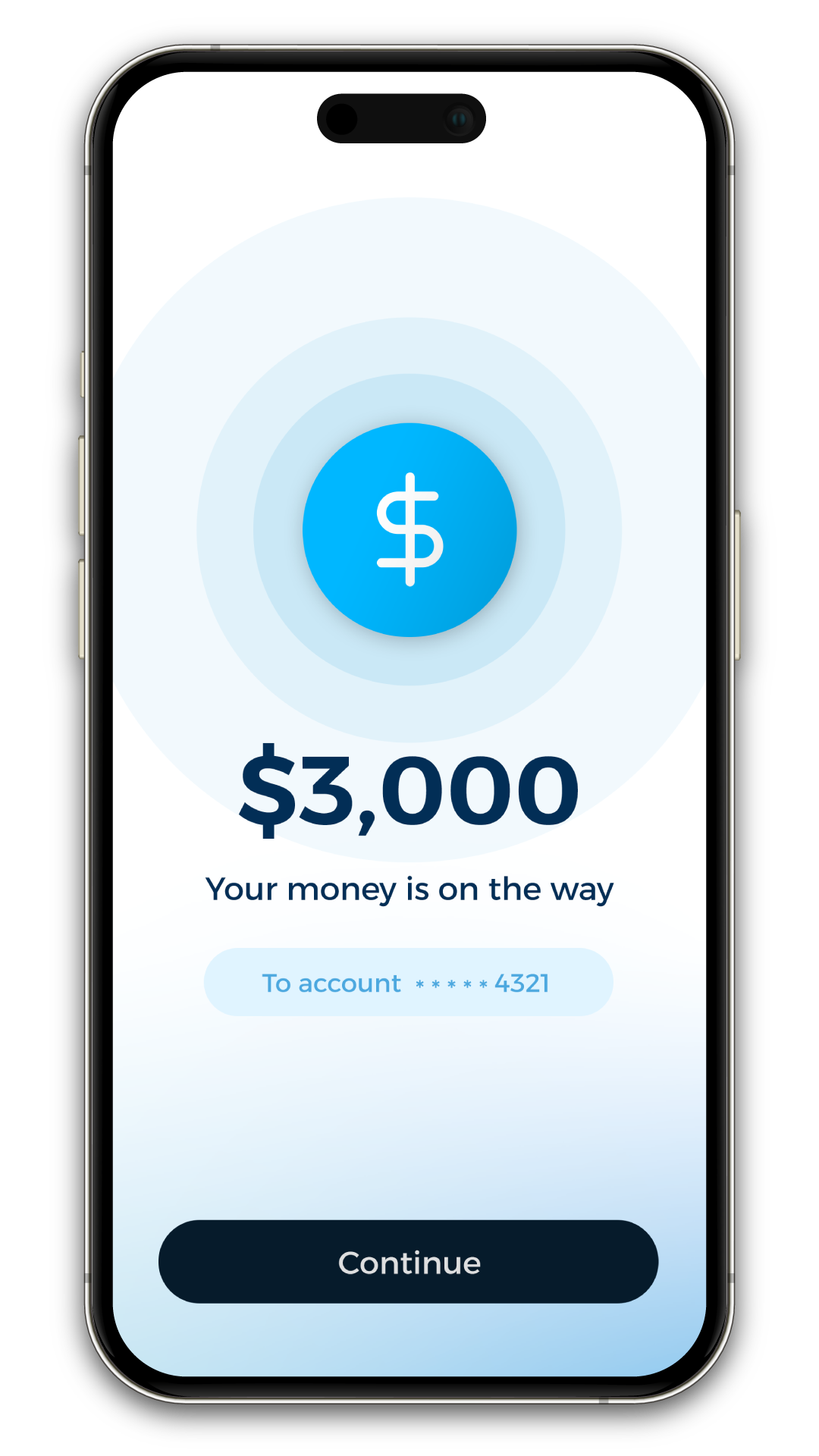
If your goal is to strengthen your credit history, a personal loan can be an easily approved alternative to credit cards, especially if you don't want to freeze money in a deposit or if you prefer a payment plan with defined installments. Unlike many secured cards, a personal loan can give you access to a disbursement that you can use based on your needs.
Apply for your personal loan in minutes, 100% online. Apply without impacting your FICO® score. Subject to credit approval.
Tips for Building Credit Responsibly
Whether you choose a credit card or a personal loan, these habits help you strengthen your record:
- Pay on time, every time. Payment history is often the most important factor (often estimated to be around 35% of the FICO score). A delay can affect your history for a long time.
- Don't use more than 30% of your available credit. If your limit is $500, try not to owe more than $150.
- Start small. You don't need a large amount; the important thing is to demonstrate responsible payments.
- Review your credit report. You can request it for free at AnnualCreditReport.com and verify that everything is correct.
- Be patient. Building credit takes time; with several months of on-time payments, you can see changes, depending on your case.
Frequently Asked Questions
Which credit card is easiest to approve in Puerto Rico?
Secured cards and some department store cards often have more flexible approval requirements than traditional cards.
Can I build credit without a credit card?
Yes. A personal loan that reports activity to credit bureaus can also contribute to your history, depending on your payment behavior.
Do prepaid cards help build credit?
No. Prepaid cards use your own money and generally don't report activity to TransUnion, Experian, or Equifax.
How long does it take to build credit?
Building a credit history takes time. Many people start to see changes after several months of one-off payments, although it depends on each profile.
Which is better for building credit: secured card or personal loan?
It depends on your situation. The secured card requires a deposit; the personal loan offers a disbursement and fixed fees. Both can report if used responsibly.
Does Kiwi require credit history to approve a loan?
Approval is subject to risk assessment. Different factors are considered and not all applicants require an extensive background.
How do I know if a card or loan reports to credit bureaus?
The issuer must indicate this in the terms of the product or in its documentation. You can also confirm this directly with the financial institution.


Get exclusive personal finance and investing content delivered to your inbox.

.png)