

Easy approval credit cards: 2026 guide
.svg)


- Prequalify with a soft pull to see options without risking your credit score.
- Pay on time every month: it's the habit that protects your score the most.
- Use less than 30% of your limit to keep your utilization healthy.
- Check your report for free at AnnualCreditReport.com and fix any errors.
- Watch the deposit and the fees before choosing a secured card.
With a secured card, a $300 deposit gives you a $300 limit. No more, no less. That deposit is your own money, it's refundable, and it works as backing while you use the card.
Easy approval credit cards in Puerto Rico exist for exactly this moment: when your history is still short and you need a clear entry point with no surprises.
In this guide you'll learn what terms like soft pull and hard pull mean, how a secured card differs from a prepaid card, how your score shapes the APR you're offered, and what concrete steps you can take to manage your credit responsibly.
Advantages of easy approval credit cards
One of the main advantages of easy approval credit cards is that they can be a tool to start generating credit history, especially if you're new to credit and don't have an established record yet. When you use them responsibly, many cardholders can show good financial behavior through on-time payments and careful management of their limit.
Another advantage is convenience for everyday purchases. A credit card can help you separate personal expenses, keep better track, and review your spending on the monthly statement. And if you understand how billing cycles work, you can plan your payments to avoid interest charges, especially on cards with a variable APR.
In terms of perks, some cards offer rewards like cash rewards or points programs you can redeem at specific merchants. There are also cards with contactless technology for fast payments and, in some cases, compatibility with networks like Mastercard, which widens where they're accepted. Depending on the issuer, you might find promotions like a reduced annual fee or even $0 for the first year (though it's always worth confirming the conditions in the product terms).
Issuers report your activity to the credit bureaus (TransUnion, Experian, and Equifax), which helps you build history. That said, as we'll see later, these cards also have important disadvantages you should weigh.
Types of easy approval credit cards in Puerto Rico
In Puerto Rico, there are several types of easy approval credit cards:
Secured cards
These cards require a security deposit as collateral, which lowers the risk for the card issuer and makes approval easier. The security deposit usually sets your credit limit, and you get it back when you close the account or as your credit history improves.
For example: if you deposit $300, your credit limit will be $300. This deposit stays "frozen" and you can't use it to pay for your purchases. Even though the money is still yours, it's held as backing for the card.
In Puerto Rico, there are well-known options (or ones accessible to residents) like Discover it® Secured (may offer cashback/cash rewards, depending on terms), Capital One Platinum Secured (the initial deposit can be lower if you qualify), and OpenSky® Secured Visa® (in some cases it doesn't require a bank account). Some local credit unions may also have similar alternatives, depending on their requirements and availability.
While secured cards are a valid option, they require you to freeze money as a deposit. Later on we'll show you alternatives where you can build credit without this requirement.
Department store cards
Some department stores offer their own credit cards with approval requirements that are easier to meet. Generally, these cards have lower credit limits and may be focused on purchases within the same store or chain. For many consumers, they work as a way to start with credit, especially if they don't have an extensive history.
Common examples:
- JCPenney
- Macy's
- Kohl's
- Amazon Store Card
One advantage is that they may include discounts or promotions at the point of sale, which sometimes makes it easier to redeem deals on specific purchases. Still, it's important to understand how these charges show up on your statement and to review each billing cycle so you don't build up balances.
Be careful: these cards tend to have very high interest rates. It's common to see an annual percentage rate (APR) of 25% to 30% or more, and in many cases it can be a variable APR. If you don't pay the full balance each month, the interest can add up fast.
Prepaid cards
Prepaid cards work by loading an amount of money in advance and then using it to make purchases, as if it were a card. Unlike a credit card, you aren't using a line of credit or borrowed money: you're using your own balance.
Many prepaid cards can be reloaded through a deposit or a transfer from a checking or savings account, and some include mobile banking tools to review activity, balance, and transactions similar to a statement. They can also work for everyday purchases or for controlling spending, because you can only spend what you've already loaded.
Prepaid cards do NOT help you build credit. Since you aren't using credit (only your own money), they generally don't report activity to TransUnion, Experian, or Equifax. If your goal is to improve or start your credit history, a prepaid card usually isn't the best option.
What's the difference between a secured card and a prepaid card?
A secured card uses a refundable deposit that sets your limit and can report to the credit bureaus, while a prepaid card only spends the money you load and doesn't build credit history.
With a secured card, you leave a deposit, that amount becomes your limit, and the issuer can report your activity to the credit bureaus. A prepaid card is different: you load your own money and spend it down, like a reloadable gift card. There's no loan involved, so your activity doesn't show up on your credit history. If your goal is to have your behavior on record, the secured card is the one that does that job.
Disadvantages of easy approval credit cards
Secured cards are a useful tool, but it's worth knowing their limits before you apply. The most obvious one is the deposit: your money, usually between $200 and $500, is frozen as collateral and you can't use it while the account is active. On top of that, the APR in the market tends to land in general ranges of 20% to 30%, so carrying a balance month to month gets expensive.
Starting limits also tend to be low, because they're tied to what you deposited. Some of these cards also charge annual fees that, in general market terms, run from $25 to $99. And there's one point that surprises a lot of people: a secured card doesn't hand you cash. The deposit isn't a loan or an advance, it's simply the backing that activates your credit line.
Requirements to get an easy approval credit card in Puerto Rico
The requirements to get an easy approval credit card in Puerto Rico can vary by issuer and card type, but in general they usually include the following:
- Security deposit (if it's a secured card): with secured cards, you have to leave a deposit as collateral. That deposit usually sets your credit limit.
- Minimum income: the issuer may ask for proof of income to assess your ability to pay.
- Minimum age: you normally have to be 18 or older to apply for a credit card in Puerto Rico.
- Limited or poor credit history: these cards are usually aimed at people with little history or affected history, which is why they tend to have more flexible approval criteria.
- Basic credit check: even though they're more accessible, many issuers run a check to verify your identity and review available credit information.
Typical documentation: photo ID (Real ID or a PR license), proof of income, proof of residence, and a Social Security number.
A better alternative: personal loans to build credit
If your goal is to strengthen your credit history, a personal loan can be an alternative to easy approval credit cards, especially if you'd rather not freeze money in a deposit or if you prefer a payment plan with defined installments. Unlike many secured cards, a personal loan can give you access to a disbursement you can use as you need it.
With Kiwi's personal loans you can apply with Kiwi without impacting your FICO® score. *Subject to credit approval. Loan amounts may vary by applicant's state of residence.
If you're already carrying several debts, look at how debt consolidation works and our complete guide to consolidating debt before you decide.
What's the difference between a soft pull and a hard pull?
A soft pull doesn't affect your credit score, while a hard pull can lower it.
According to the CFPB on credit inquiries, hard inquiries can affect your score, while soft inquiries don't. A hard pull happens when you formally apply for a credit product and the institution reviews your full history. A soft pull usually happens when you check your own credit or when you prequalify for an offer. That's why prequalifying with a soft pull lets you see your options without your score taking any hit.
How does your credit score affect the APR you're offered?
Your credit score directly shapes the APR (annual percentage rate) you're offered: the higher your score, the better the rates you tend to reach.
According to the CFPB on credit scores, your score is used to determine the interest rate and credit limit you receive. A higher score usually gives you access to lower rates, because it signals to the issuer that you represent less risk. In the market, APRs on cards for people just starting out tend to land in general ranges of 20% to 30%. If you want to go deeper, we explain what APR is in the USA and how it works.
Tips to build credit responsibly
- Pay on time, always. According to how myFICO calculates your score, payment history makes up 35% of a FICO score, the single most important factor. Set up reminders or automatic payments so you never miss a date.
- Keep your utilization below 30%. According to myFICO, the amounts you owe count for 30% of your score. If your limit is $300, aim to stay under $90 in balance at any given time.
- Start small. You don't need many accounts to begin. One well-managed card sends stronger signals than several neglected accounts.
- Check your report for free. Get your credit report at no cost from AnnualCreditReport.com, the only federally authorized source to access your Equifax, Experian, and TransUnion reports. Review it and fix any errors you find.
- Be patient. Credit history is built over time, not overnight. If you're looking to resolve a need and manage your history responsibly, a personal loan with Kiwi or the Kiwi Credit Builder product can be an option. *Subject to credit approval. Loan amounts may vary by applicant's state of residence.
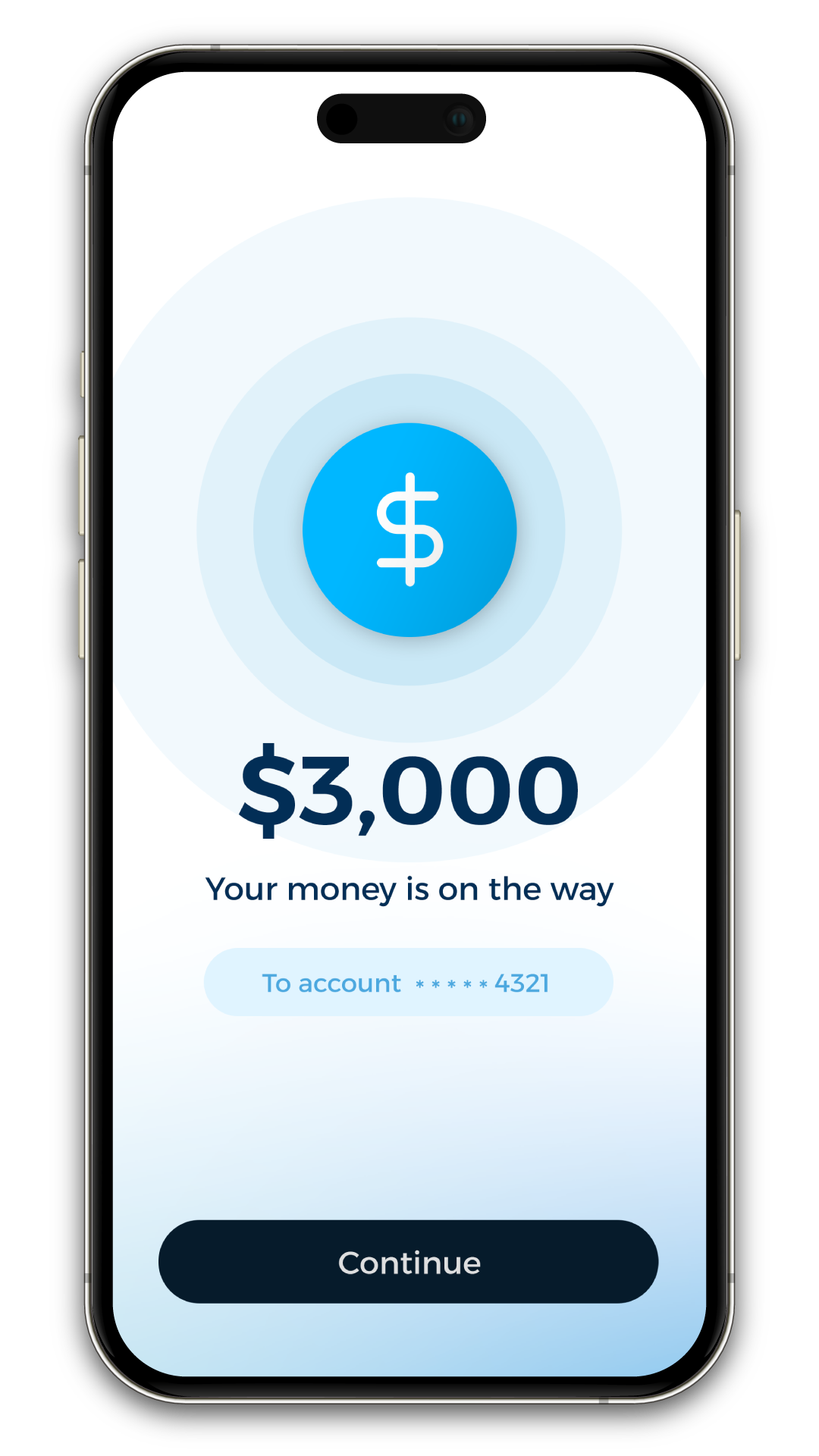
Apply for your personal loan in minutes, 100% online. Apply without impacting your FICO® score. Subject to credit approval.
Frequently asked questions
Which credit card is easiest to get approved for in Puerto Rico?
Secured cards and some department store cards usually have more flexible approval requirements than traditional cards.
Can I build credit without a credit card?
Yes. A personal loan that reports activity to the credit bureaus can also contribute to your history, depending on your payment behavior.
Do prepaid cards help build credit?
No. Prepaid cards use your own money and generally don't report activity to TransUnion, Experian, or Equifax.
How long does it take to build credit?
Building credit history takes time. Many people start to see changes after several months of on-time payments, though it depends on each profile.
What's better for building credit: a secured card or a personal loan?
It depends on your situation. A secured card requires a deposit; a personal loan offers a disbursement and fixed installments. Both can report if they're used responsibly.
Does Kiwi require credit history to approve a loan?
Approval is subject to a risk assessment. Different factors are considered, and not every applicant needs an extensive history.
Does applying for a loan to build credit affect my score?
It depends on how you apply. Prequalifying uses a soft pull, and according to the CFPB soft inquiries don't affect your credit score, unlike hard inquiries. For example, with Kiwi you can review your options without impacting your FICO® score before you decide. *Subject to credit approval. Loan amounts may vary by applicant's state of residence.
Key takeaways
- Soft pull: a soft inquiry that doesn't affect your score; a hard pull can lower it (CFPB).
- Secured card: a refundable deposit that sets your limit and can report to the bureaus.
- Prepaid card: you spend your own loaded money and it doesn't build credit history.
- Payment history: counts for 35% of your FICO score, the most important factor (myFICO).
- Utilization: the amounts you owe make up 30% of your FICO score (myFICO).


Get exclusive personal finance and investing content delivered to your inbox.